|
Key Points
|
Why Grapes Are More Than Just a Sweet Snack
When it comes to eating healthy, most of us know the basics: eat more fruits and vegetables. But here’s something you might not realize—not all fruits are created equal. A new study published in the Journal of Agriculture and Food Chemistry reveals that grapes aren’t just another fruit. In fact, they check every box to be considered a true superfood.
Why? The secret is in their polyphenols. These are natural plant chemicals that act as antioxidants, helping to fight free radicals that damage your cells. But polyphenols don’t stop there—they also reduce inflammation, improve circulation, and even support your immune system.
Think of them as your body’s internal defense squad, constantly working behind the scenes to keep your heart beating strong, your brain sharp, and your gut balanced.
The Color of Grapes Matters—Here’s Why
If you’ve ever stood in the produce aisle wondering which grapes to buy—red, purple, or green—the answer is clear: purple grapes pack the most benefits.
-
Purple Grapes 🟣: Loaded with anthocyanins, the pigment that gives them their deep hue, purple grapes have the highest antioxidant activity.
-
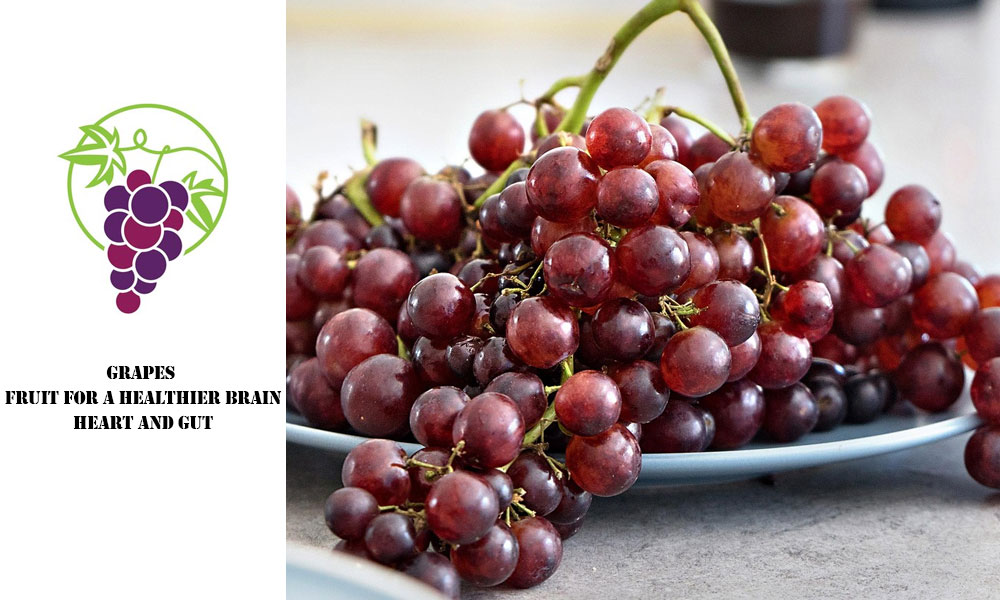
Red Grapes 🔴: Still healthy and full of resveratrol, but not as concentrated in antioxidants as purple.
-
Green Grapes 🟢: Refreshing and hydrating, but lower in disease-fighting compounds compared to their darker cousins.
Pro tip: If you want the maximum health impact, always choose purple grapes when possible. Their vibrant color isn’t just pretty—it’s proof of their nutritional power.